

The Beginning, 1950-1959
 “Ray, a telephone cooperative is just not going to work up here!” REA Deputy Administrator to Ray Poxleitner, 1950.
Many residents didn’t even have the chance to get telephone service, they were too far away from a “city”. Those who could get service, received it from their township and they had to share the line with up to 9 other customers. That was the reality of telephone service in Northern Minnesota back in the late 1940’s. But the winds of change were in the air. In 1949, the United States Congress enacted legislation to add a new program to improve rural telephone service in the U.S.
On February 28, 1950 at the Bemidji Armory, M.B. Taylor, a court agent who had years earlier helped organize Beltrami Electric Cooperative, called the first public organizational meeting to explain the new telephone program under the direction of the Rural Telephone Administration (RTA) through the Rural Electric Administration (REA). This day marked the beginning of what would become Paul Bunyan Communications. The name that was chosen for this new business in June, 1950 was Paul Bunyan Telephone.
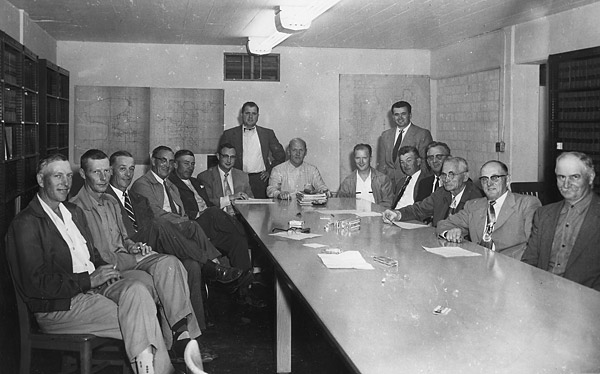 Following the RTA procedures as presented at the meeting, a group of nine men from various rural areas around Bemidji were nominated as temporary directors of this new organization. These directors worked endlessly to sell memberships, which at $40 each were not cheap ($40 in 1950 is equivalent to about $400 today). Plus, there were field engineers, consultants from Washington D.C., and administration officials all scrutinizing the feasibility of a telephone cooperative in rural Minnesota. Yet after all the meetings and memberships, the RTA staff did not believe that a telephone cooperative could work in the area. It did not look good. On January 29, 1952, Paul Bunyan Telephone incorporated bylaws to establish the cooperative, yet it’s future was very much in doubt.
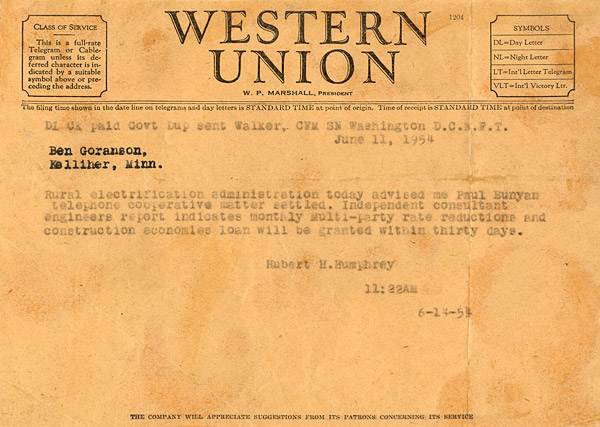
Frustrated at having invested an incredible amount of time and their own money, the Board members turned to the recently elected young Senator from Minnesota, Hubert Humphrey for help. This was the turning point. Humphrey invited the Board to a meeting with officials in Washington D.C. The meeting was long and arduous, but in the end Senator Humphrey told the deputy administrator that he had faith in the board members and strongly suggested getting the initial loan processed without further delay.
There was one more requirement to meet though. The Board had to operate an existing telephone system before the loan could be approved. Negotiations to purchase the Kelliher Telephone Company resulted in a purchase price of $12,000. The Board did not have the kind of money lying around, so they turned to Beltrami Electric Cooperative and Security State Bank in Bemidji. Security State and Beltrami Electric agreed to loan the Cooperative money, but not before each board member signed a personal mortgage on their property for security. This final commitment ensured that Paul Bunyan Cooperative would indeed become reality.
In early June of 1954, the Kelliher Telephone Company and Hendrickson Township Telephone’s system in Hubbard County were purchased by Paul Bunyan Telephone Cooperative. This would prove to be the first of 45 systems that would be purchased and upgraded. Days later, on June 14, 1954, the first REA Telephone Program Loan was approved. The years and countless hours of effort had finally paid off.
With the REA loan in hand, the cooperative started to come together. On February 22, 1955, nearly 5 years to the day of the first organizational meeting, Paul Bunyan Telephone opened its first business office at 207 4th Street in Bemidji and the cooperative’s operations would remain there for the next 16 years. That same year, eight-party service was offered to Kelliher and Hendrickson Township. The cooperative also purchased telephone systems in Becida, Hart Lake, Waskish, Saum, Shotley, and Woodrow townships. The first full year of service ended with a total of 208 members.
The remainder of the decade saw more telephone company and township system acquisitions.
The decade ended with great optimism. Pitted against all odds, the founding fathers of Paul Bunyan Communications had succeeded in establishing a local telephone cooperative, even though government officials had told them “a telephone cooperative is just not going to work up here”.
1960-1969
 This would prove to be the decade where the foundation of Paul Bunyan Communications was built. There would be more growth, the beginning of underground cable, and several advances in telephone technology.
In March of 1961, the reach of telephone service in rural Northern Minnesota was extended to Northome and Squaw Lake, as these exchanges were established into the cooperative. By November of 1962, three more areas had gained access to the telephone with the addition of Turtle River, Red Lake, and Solway. All 5 exchanges continue to thrive today.
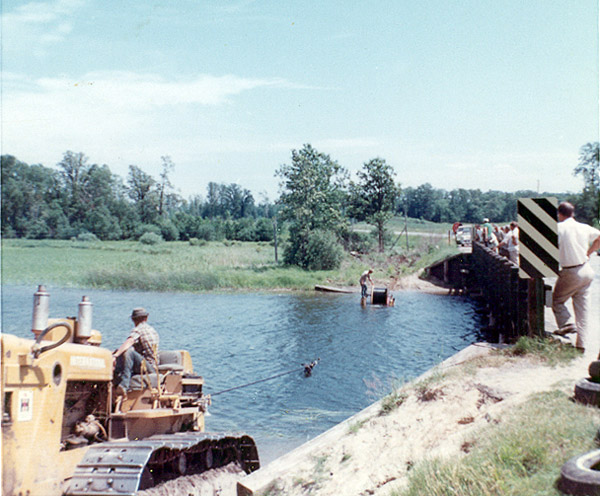
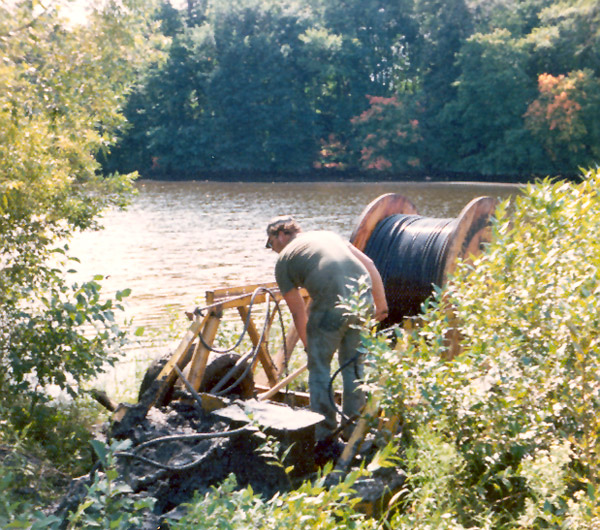
Then, in 1964, an idea of improving the quality of telephone service to cooperative members emerged, put the lines underground. Since the beginning of Paul Bunyan Telephone, telephone lines ran above ground on telephone poles. While this delivered the service most of the time, nasty Minnesota weather played havoc on the lines and caused numerous outages. Putting the lines underground would eliminate any weather concerns and greatly improve the consistency of service. No longer could a good wind knock down a pole or a squirrel chew through the line. The innovative idea was tried first in September, 1964, when the recently added Inger-Wirt exchange was created with an underground delivery system. Today, 99.9% of the cooperative is served by underground cable.
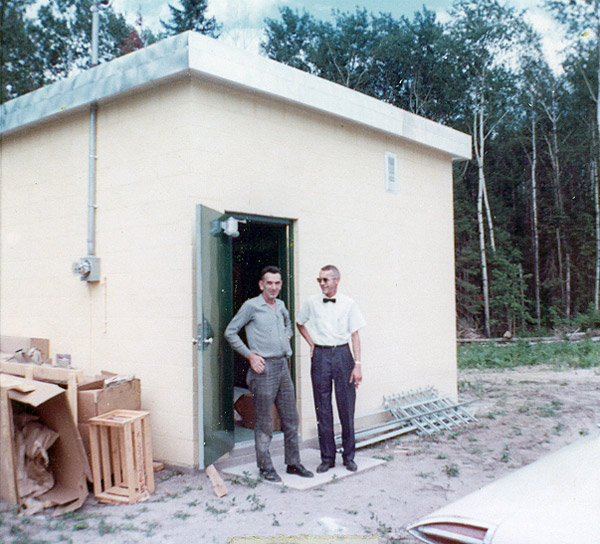 With the quality of service issues being resolved, the Cooperative turned towards improving the service itself by giving each member their own line. This was a very big deal, since all members shared a line. The decision was made to phase the cooperatives exchanges into one party service. It was a large undertaking that would take 10 years and a large financial commitment. In 1968, the recently purchased Laporte exchange and Becida were the first to get one-party service. By 1978, all of the cooperative would have their own line.
1970-1979
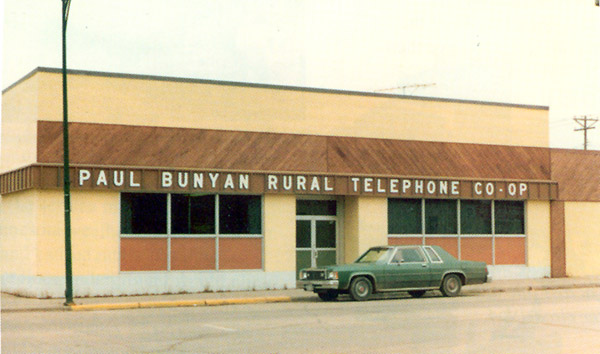 Technology advances, further growth, and a new building. Sound familiar? That was the 1970’s at Paul Bunyan Telephone and why not? Do what works.
The tenth exchange was added to the cooperative after more new technology entered the scene. Paul Bunyan Telephone had already served the Red Lake exchange, but residents of Ponemah could not join the cooperative because the lake was in the way. That was until microwave. In 1970, the cooperative used microwave equipment to deliver telephone service across Red Lake to Ponemah.
More and more members were joining the cooperative as more progress was made in going underground and converting to one-party service. The business headquarters were maximized and it was time for another move. In 1974, Paul Bunyan Telephone Headquarters were moved to the former Beltrami Electric building at 301 America Avenue. This new location would be the grounds of further growth, prosperity, and services for 2 decades.
 The 1970’s also proved to be the start of changes in the way telephone service was regulated by the government. Monopoly providers dominated the local, long distance, and telephone equipment market. Consumers had no choice in providers. The monopoly system was set up out of necessity to get service to all Americans and it worked. Now, Americans wanted options. The process of providing competition started in 1976, when the Federal Communications Commission (FCC) passed a ruling that allowed consumers to buy their own phones. Phone leasing from your telephone company was no longer mandatory. This would be the first of many legal rulings that would give the public more options for telephone services.
The decade ended with the cooperative stronger than ever, but there was even more growth and new technology on the horizon that would catapult Paul Bunyan Telephone into the next generation of telephone services.
1980-1989
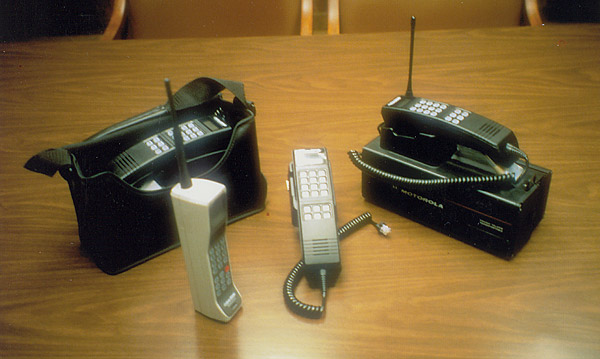 By now, the cooperative understood that constant change was a part of the telephone way of life. What started out as 10 party service had been integrated to bring each member their own lines, members no longer were required to lease their equipment from the coop, and there was a lot more change to come.
In 1980, radio mobile phones and paging services were introduced. At the time, these 2 new products did not draw much interest, but it was a hint of the communication possibilities to come. Radio mobile phones lead to the inception of wireless phone service and paging services are still offered today.
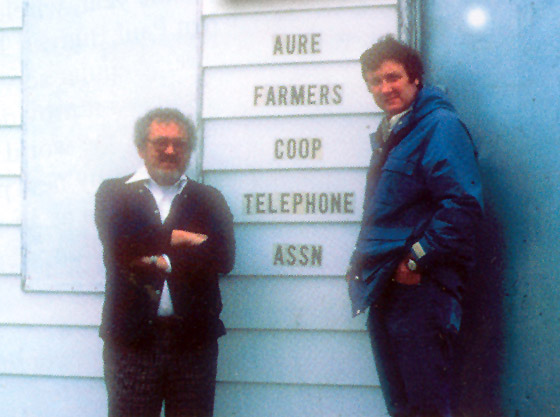 The cooperative continued to grow, purchasing the Aure Telephone Cooperative in 1982 which became part of the Puposky exchange. Three years later, the coop would make its largest purchase to date, the Deer River Telephone Company which had been established in 1910 and was owned by the Giles family. This one purchase nearly doubled the size of the cooperative’s customers, though by law it remained a separate telephone company until the entire purchase was paid for, which was completed in 1997. Deer River would remain the largest telephone exchange for Paul Bunyan Telephone until expansion into Bemidji at the end of the century.
As the 1980’s drew to a close, a new product was introduced that would revolutionize the potential of a telecommunication network. Fiber optics. Fiber optic lines could carry a lot more information over the network and a lot faster. At the time the big benefit was that the network was not filled to capacity with phone calls. The endless amounts of capacity that fiber optics offered looked promising. In 1988, the first fiber optic cables were ran from Bemidji to Kelliher. In just four years, all of Paul Bunyan Telephone’s exchanges would be connected by fiber. Little did anyone know then that the fiber optics they were laying would allow for next generation of telecommunication services.
1990-1999
 It would not be overstating the facts to say that the 1990’s would turn out to be the decade that transformed the way the world communicates. Cellular phones, satellite television, and the advent of the Internet were on the way.
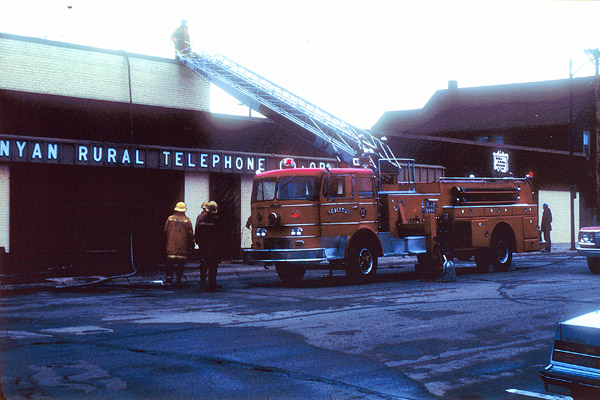
Before all the new technology though, the cooperative would have to endure adversity. On April 26, 1990 a fire nearly destroyed the headquarters on 3rd Street.
Started in the early morning by an electrical spark, the fire was spotted quickly and the building was salvaged. The next months were spent cleaning up the damage, yet service continued uninterrupted.
Later that same year, wireless phone service became a reality when Paul Bunyan Telephone helped create Cellular 2000. Cellular services would revolutionize communication, as it provided a way for consumers to stay in touch with the world while away from a landline phone.
Like many new products or services, Cellular service started out expensive, but within 10 years, prices had dropped and wireless phones were common. Paul Bunyan Telephone discontinued its relationship as an agent of Cellular 2000 on December 31, 2005.
In 1993, the cooperative continued to diversify when it established it’s own directory publishing company, Pinnacle Publishing. In the beginning, Pinnacle published 16 directories for independent telephone companies in the midwest, including Minnesota Gold®, the official directory of Paul Bunyan Telephone.
In just 8 short years, Pinnacle Publishing went from an upstart to an industry leader in directory publishing when, in 2001, it merged with Independent Publishing in St. Cloud.
Pinnacle Publishing now publishes over 130 telephone directories, employs over 90, and is based in the Bemidji Technology Park.
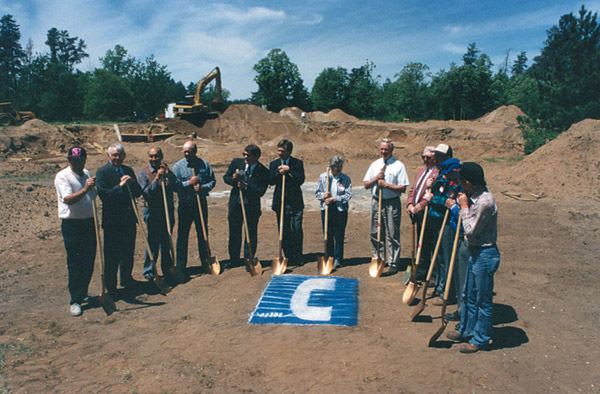
With 2 new services added and even more on the way, it was time for another move. On January 11, 1995 the cooperative bid farewell to downtown Bemidji and moved into a brand new cooperative headquarters in the newly created Bemidji Technology Park, a joint venture of Paul Bunyan Telephone and Beltrami Electric.
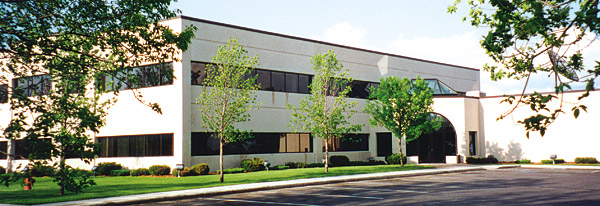 The new headquarters featured two more new services, Direct Broadcast Satellite TV and Videoconferencing. Satellite Television gave rural residents the opportunity to receive television services they could not otherwise receive. Paul Bunyan was an initial investor in Rural Vision, a local DBS provider and it would soon expand the amount of home entertainment available for the cooperative’s members. Rural Vision would eventually be sold to Pegasus in August of 1998, giving the cooperative an exceptional return on the investment that would allow for the unprecedented growth that was to come.
The decade was just half over and already the cooperative had withstood adversity, added 4 new services, and moved into a brand new headquarters. But the cooperative did not stop there. There was another communication service on the way that would come to change daily life throughout the world. It was the Internet and locally, Paul Bunyan Telephone would lead the way. Beginning in 1996, Paul Bunyan Telephone offered local Internet access to members through the newly formed Paul Bunyan Net. Paul Bunyan Net would soon turn into the regional leader in reliable Internet access and would continue to put Paul Bunyan on the cutting edge of technology.
 While busy introducing new services into the marketplace, the entire landscape of telecommunications was about to change with the Telecommunications Act of 1996. The Act, passed by the United States Congress, allowed for competition in local telephone service. No longer was the cooperative restricted to boundaries determined by the government. It was clear where the cooperative was headed.
From the beginning in 1950, Bemidji had always been a part of the cooperative. Yet, for 46 years, Paul Bunyan Telephone did not have the option of offering its services to its residents. That all changed in 1996. The Telecommunications Act paved the way for the cooperative to bring residents of Bemidji into the cooperative.
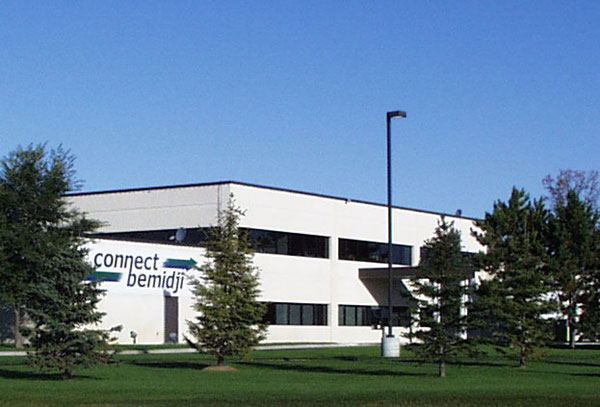
In November of 1998, the Connect Bemidji project was introduced. The project would result in a brand new telecommunications network for the Bemidji exchange, one capable of offering telephone, high speed Internet, and digital television services. Construction of this new network to Bemidji started in 1999 and as the world ushered in a new century, Paul Bunyan Telephone was on the verge of unprecedented growth.
2000-2009
Cellular phones, the Internet, Satellite Television – brand new just years earlier, now commonplace. These services were only the beginning, and the new decade promised potential never dreamed of even 10 years earlier.
In January of 2000, local telephone service and high speed Internet services were made available to the first areas of the Connect Bemidji project. For the first time, there was a choice in local telephone service providers and many selected to join the cooperative.
While expanding in Bemidji, the year 2000 also marked the beginning of the most extensive network upgrade in Paul Bunyan’s history. The upgrades, made possible by the increased membership from the Connect Bemidji project, allowed for the cooperative to bring advanced services like high speed Internet and digital television services to rural areas. The upgrades now completed give us the ability to deliver high speed Internet service out to all members of the cooperative.
On March 6, 2001, Paul Bunyan Telephone announced that it would soon begin offering the latest in television technology, Paul Bunyan Television (PBTV). PBTV would give members access to over 200 channels of all digital entertainment and would allow for local and long distance telephone services, television services, and Internet services to come on one bill and from one source.
On June 1, 2001, members in the Solway exchange were the first to be offered PBTV services. PBTV is now in over 11,500 homes and is available to some members in each exchange in the cooperative.
In September 2003, Paul Bunyan Telephone began its second expansion project, this time heading east to Cohasset. The Connect Cohasset project is now completed and gives all those locations within the City of Cohasset the opportunity to join the cooperative and receive our advanced services.
 2005 saw expansion begin to Grand Rapids and within just two construction seasons our first all fiber optic network expansion project was completed. All locations within the City of Grand Rapids now have services available and can join the cooperative with service provided over one of the first all fiber optic networks in the state!
2006 was landmark year for the cooperative, as the final locations in the large Bemidji telephone exchange were reached and Paul Bunyan Telephone now serves the entire exchange (previous 751, 755, or 759 prefix phone numbers).
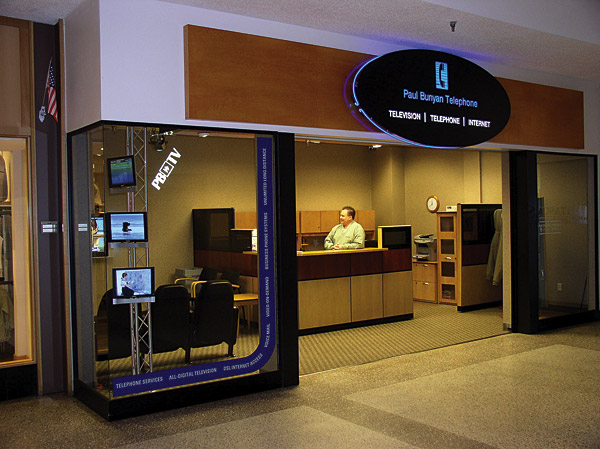
The project was one of the largest such undertakings in the country and has been extremely well received. In January, our first retail office was also opened in the Central Square Mall, Grand Rapids.
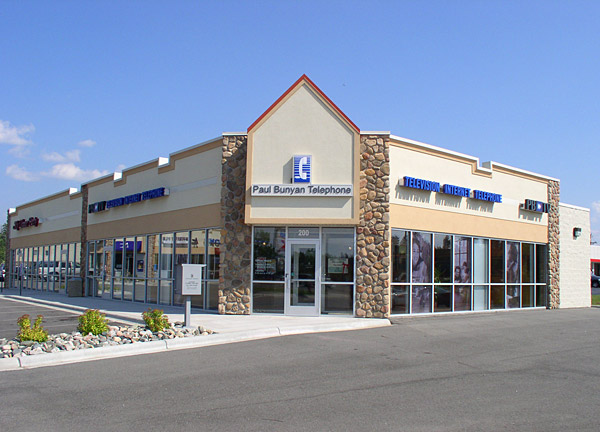 On February 18, 2008, a new, expanded office was opened in the Grand Square on Pokegama Ave S in Grand Rapids to better serve our growing membership in Cohasset, LaPrairie, and Grand Rapids. In addition to more space, the office features expanded office hours and interactive displays of Paul Bunyan Television services.
On August 4, 2008, Paul Bunyan Telephone completed the purchase of Blackduck Telephone. The purchase added about 1,200 square miles to Paul Bunyan Telephone’s service territory and includes Blackduck, Hines, and Ash River.
Expansion to the Lake George/Itasca State Park area was also completed in 2008 and expansion to Cass Lake continued with construction to most of the City of Cass Lake and some surrounding townships.
 2009 marked the introduction of three new advanced television services through Paul Bunyan Television. High-definition (HD) service, Digital Video Recorder (DVR), and PBTV on Demand were all made available.
High speed Internet access was also made available for the first time in Ash River. This exchange was previously owned by Blackduck Telephone and did not have access to high speed Internet services. Upon installing over 90 miles of fiber optic cables in during the summer of 2009, the cooperative’s first construction season as owners of the Ash River exchange, high speed Internet service was made available in October.
As 2009 came to a close, so did an era of our cooperative’s history. In October, 2009, the cooperative accepted an offer from the Deer River Cooperative Credit Union to purchase the Deer River office. The office was closed on November 13, 2009. Paul Bunyan Telephone’s Grand Rapids office would continue to serve the needs of cooperative members in the region.
2010-2019
 The new decade started out with a bang, as the cooperative increased broadband Internet speeds by 10 times or more for all customers on January 1. This dramatic increase was made possible due the upgrades to our existing network completed through 2009. Customers started to receive up to 10 Mbps upload and download speeds as the standard service offering and higher speeds up to 25 Mbps were made available. In 2013, just three short years later, the Internet speeds were doubled at no extra cost so every Internet customer now receives a minimum of up to 20 Mbps service and even higher speeds up to 150 Mpbs were made available. Paul Bunyan Communications Internet was optimized for Netflix in March of 2014, which now is delivering customers the best possible streaming video experience. It didn’t stop there, the cooperative announced plans for Gigabit Internet services, the GigaZone, in September of 2014. (see below).
The start of a new decade also marked the end of an era. After nearly 60 years of doing business under the name Paul Bunyan Telephone, the cooperative changed its name to Paul Bunyan Communications on October 18, 2010. The cooperative now offers a wide variety of communications services, many unrelated to telephone service, so the new name better reflects all of what the cooperative offers. The legal name, which has been in place since the inception of the cooperative, remains Paul Bunyan Rural Telephone Cooperative.
Since the beginning of the decade the cooperative has added expanded out to new areas and several new services while improving upon the services we already provide.
Since 2010, expansion of our all fiber optic network has reached Big Falls, rural Park Rapids including Two Inlets, Emmaville, and Dorset, along with the Trout Lake Township east of Grand Rapids. Further expansion continued annually throughout the decade.
 In 2012, Paul Bunyan Communications along with Mankato Networks co-founded the Midwest Internet Cooperative Exchange (MICE) in Minneapolis. MICE has grown to be one of the largest non-profit internet exchanges in the United States. Paul Bunyan Communications also created the Twin Ports Internet Internet Exchange (TP-IX) in Duluth in 2012.
 In January of 2013, PBTV Everywhere was first offered to Paul Bunyan Television customers. PBTV Everywhere allows you to watch select network content on your computer, smart phone, or tablet at no additional cost.
Since 2010, the cooperative has added several new networks to PBTV service and also increased the number of high definition networks available through PBTV HD. Whole-home DVR service is another new technology that was added this decade and has been very well received by members.
In 2014, Business IT services were first offered and provides business members with high quality, professional business communication IT support locally.
 On September 18, 2014 a special news conference event was held at cooperative headquarters in Bemidji to announce the next Broadband initiative the cooperative is embarking on. The GigaZone is now one of the largest all-fiber optic Gigabit networks in the United States and work continues each year to extend it out to more locations in the region. The GigaZone offers unprecedented Internet speeds up to 1 Gigabit per second both uploads and downloads. Those who subscribe to GigaZone Internet can also add lower cost local phone service, unlimited local long distance, and PBTV Fusion service with free HD. Construction upgrades and expansion started in 2014 and have continued every year since. The GigaZone is the next chapter in a long history of providing our members the latest in technology first.
 2015 saw the cooperative receive numerous awards for the GigaZone initiative announced in 2014. The awards included:
- Winner of the Most Innovative Gigabit Broadband Service Light Reading 2015 Leading Lights awards program. The national award recognizes the communications provider that has launched the most innovative Gigabit Broadband service during the past year. The other finalists for the award were large national or regional corporations including AT&T, C Spire, and TDS Telecom.
- NTCA–The Rural Broadband Association Certified Gig-Capable Provider for delivering gigabit broadband speeds and enabling technological innovation in our service area.
- NTCA Smart Rural Community Award. The goal of the NTCA Smart Rural Community initiative is to foster the development of smart communities throughout rural America and Canada by encouraging innovative implementation of broadband solutions and access to next-generation applications for distance learning, telehealth services, public safety and security. Smart Rural Community provides educational programming, matching grant resources and an award program to recognize top-performing communities. NTCA recognized Paul Bunyan Communications as a rural service provider that embodies Smart Rural Community principles.
- Bemidji Chamber of Commerce 2016 Business of the Year
 In July, 2016, our cooperative reached an agreement to purchase TJ Studio. The acquisition combined the talented crew at TJ Studio with our team of skilled designers, programmers, and technicians and uniquely positions Paul Bunyan Communications to offer the region exceptional creative and technical services including website development and design, business IT services, and computer repair. Soon after the purchase, Paul Bunyan Communications opened northern Minnesota’s Certified Apple Service Center.
Also in 2016 the cooperative started to offer Home-Integrated Wi-Fi service. Our Home Integrated Wi-Fi provides you with fast access to the Internet on all of your Wi-Fi capable devices such as smart phones, tablets, gaming systems, and laptops. Older routers may not be able to handle the higher speed Internet provided by the GigaZone. Home-Integrated Wi-Fi service not only supports the fiber optic fast Internet speeds we provide but also take away the stress of trying to manage your Wi-Fi experience on your own.
 On November 12, 2016 the first GigaZone Gaming Championship was held. It is the first stadium style eSporting event in the region and has been held annually since. It has grown in size every year, drawing over 4,000 in 2019.
Since the beginning of the GigaZone initiative the cooperative continued to upgrade the existing network making the services available to more members and our network has also been expanded out to reach new areas each year.
 In 2018, our certified Apple Service Center earned Apple Premium Service Provider status which is given to an elite tier of Apple Authorized Service Providers in recognition of their unparalleled commitment to technical excellence and customer service.
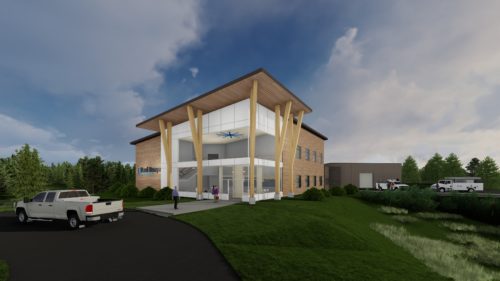
On June 27, 2019 the cooperative announced plans for a new customer service and technology center in Grand Rapids. Construction was completed in the spring of 2020. This project reinforces the cooperative’s commitment to the city and region. It will also position the cooperative to better serve this important and expanding part of our service area well into the future.
2020-present

The New Year and new decade started out with the cooperative announcing the introduction of GigaZone Blast Wi-Fi with Wi-Fi 6 technology that became available to all locations within the GigaZone in January of 2020.
GigaZone Blast Wi-Fi leverages the all-fiber optic network of the GigaZone to deliver gigabit speeds wirelessly throughout a home or business with coverage up to 3x greater than Wi-Fi 5. The GigaZone Blast Wi-Fi 6 router also provides increased data capacity and significant improvements in latency – up to 75% lower for gaming and video streaming.
In March of 2020, the Covid-19 pandemic struck but thanks to the GigaZone, our members and customers had access to the fastest Internet speeds available which could easily handle distance learning, telehealth, working from home, streaming video, and much more.
In response to the COVID-19 pandemic, the cooperative worked directly with the local school districts it serves to provide free Broadband access to over 180 families in need and installed over a dozen free Wi-Fi hot spots for students/families who live outside the all-fiber optic network so they had Internet access for distance learning
The cooperative also returned capital credits earlier than usual to help the membership, made a significant contribution to all of the local food shelves, and signed the Connect America Pledge committing not to terminate service because of inability to pay and waive any late fees due to hardships caused by the pandemic through the summer of 2020.
On December 1, 2020 Pinnacle Marketing Group took over advertising sales of Paul Bunyan Television. Pinnacle is a leading provider of a wide variety of marketing services including directory advertising, social media management, online advertising, and video production. Now they also help business members with advertising on PBTV.
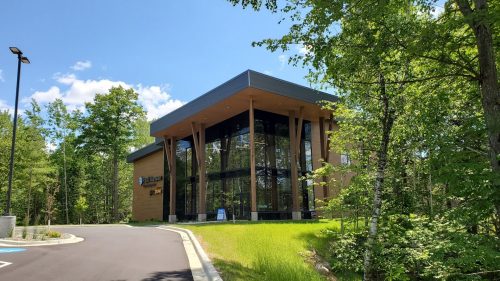 In June of 2021, the Grand Rapids Customer Service and Technology center was open to the public and the cooperative opened a certified Apple Service Center in the building in July, 2021.
On September 1, 2021 the GigaZone, already one of the largest and fastest rural all-fiber optic networks, got 10 times faster. The cooperative began offering both upload and download up to 10 Gigabits per second!
“When we started installing our all-fiber optic network in 2004 the technology was in its infancy though we realized even then the network would be capable of much more as innovation continued. We introduced the GigaZone and speeds up to 1 Gigabit per second in 2014 and the technology has progressed so that we can now provide ten times that speed, up to 10 Gigabits per second both downloads and uploads!” said Gary Johnson, Paul Bunyan Communications CEO & General Manager.
“To put it in perspective, according to the Fiber Broadband Association 7 out of every 10 homes in the United States still doesn’t have access to fiber optic gigabit speeds let alone upload and download speeds up to 10 gigabits per second that we’ll be offering starting September 1,” added Johnson.
Paul Bunyan Communications celebrated its 70th year in 2022. Since 1952 the cooperative has witnessed firsthand the impact that can be achieved when individuals come together for a common goal. Together our Board, Staff, and Members have worked to bridge the digital divide, empower our region, and paved the way for a more connected future.
 A customer advocate team was launched to focus on monitoring network performance and look for any indication of possible service affecting issues a customer may be experiencing with the goal of pro-actively identifying and remedy potential problems before a member may even notice them. The cooperative has always been member focused and this new team will add to that on-going effort.Our commitment to the communities we serve extends beyond providing communication services.
 We support a wide variety of community partners whose dedication and effort enhance our region. Programs like Greater Bemidji’s 218 Relocate and Itasca Development Corporation’s Thrive Up North initiatives are two examples where we’ve successfully partnered to improve the economic health of northern Minnesota.
On April 22, 2023, a crowd of over 4,000 attended the GigaZone Gaming Championship & TechXpo at the Sanford Center in Bemidji. The event featured free gaming, numerous gaming tournaments, over 35 technology exhibitors, door prizes, and special guest Steve Wozniak, the co-founder of Apple.
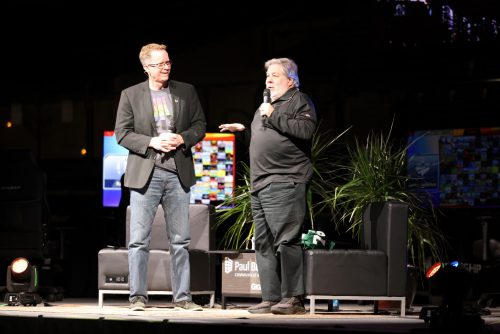 This one-of-a-kind regional gaming event showcases Paul Bunyan Communications’ IT and web development team which custom built and integrated much of the online technology and leverages the speed of the GigaZone. The event also helps connect a wide variety of students and potential job seekers with schools and businesses that are utilizing the latest in technology every day right here in northern Minnesota.
The cooperative continued to expand the all-fiber optic network in 2023 including areas of Nashwauk, Warba, Marble, and Calumet in Itasca County, the city of Cook and areas of Britt in St. Louis County, the Pelland area of Koochiching County, and for the first time, expansion reached Aitkin County with a project including areas of Aitkin, Waukenabo, Spencer, and Logan townships.
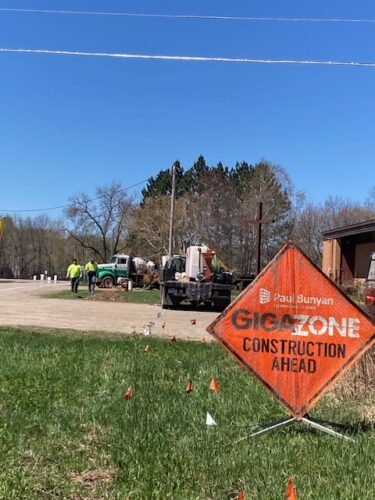 2024 marked another year of remarkable growth for Paul Bunyan Communications as we expanded the GigaZone, our state-of-the-art all-fiber optic network, into more underserved areas lacking quality, reliable Internet services. This year’s construction included over 2,000 homes and businesses in Aitkin, Itasca, and St. Louis counties, including the cities of Buhl, Keewatin, and Taconite, as well as several townships.
National Recognition
In February, Paul Bunyan Communications received two prestigious Excellence Awards from NTCA—The Rural Broadband Association. Representing over 850 independent, community-based telecommunications companies across the nation, NTCA recognized our leadership and innovation in rural broadband with the following awards:
- James L. Bass Manager Life Achievement Award

Gary Johnson, CEO of Paul Bunyan Communications, was honored for his 36 years of service. Starting as a computer programmer, Gary rose to become CEO and led transformative initiatives, including the Bemidji Technology Park, 218 Relocate program, and the GigaZone Gaming Championship and TechXpo. His contributions extended beyond the cooperative to various NTCA committees, the NISC Board, the Calix Leadership Advisory Board, and numerous local organizations supporting healthcare and economic development. - Innovation Award
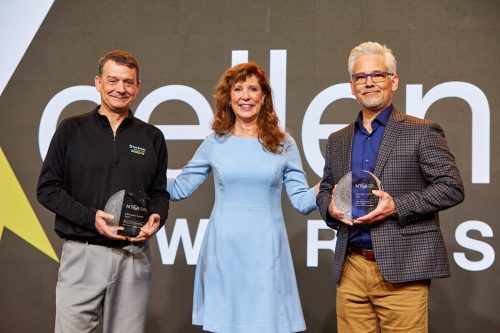
Leo Anderson, Chief Technology Officer, and Brian Bissonette, Marketing Supervisor, were recognized for creating and leading the GigaZone Gaming Championship and TechXpo. This groundbreaking event not only showcases our all-fiber network but also highlights career opportunities in technology for young gamers, demonstrating that innovation thrives in rural communities.
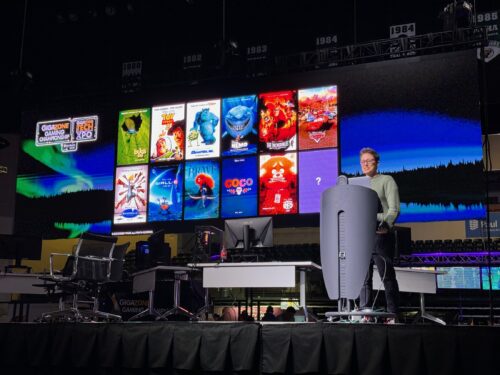
On April 20, 2024, the GigaZone Gaming Championship and TechXpo returned to the Sanford Center in Bemidji, featuring special guest Danielle Feinberg from Pixar Animation Studios. Attracting an estimated crowd of 4,000, the event continues to grow as one of the largest rural gaming events in the country. Launched in 2016, it remains a cornerstone of our mission to inspire and engage the community through technology.
Leadership Transition
2024 was a milestone year for leadership at Paul Bunyan Communications. After 36 years of dedicated service, CEO Gary Johnson retired at the end of the year. Gary’s legacy includes spearheading the development of Internet services from dial-up to the GigaZone, Paul Bunyan Television, and numerous other initiatives that have shaped our cooperative’s success.
 Chad Bullock, hired as Assistant CEO in July 2023, will succeed Gary as CEO on January 1, 2025. A BSU graduate and former Blackduck resident, Chad brings over 30 years of experience in rural broadband. He is deeply committed to expanding service to unserved areas while upholding our tradition of innovation and community focus. Having spent the past year as Assistant General Manager, Chad is well-prepared to lead us into an exciting future aligned with Paul Bunyan Communications’ mission to serve our cooperative members and advance technology in rural areas.
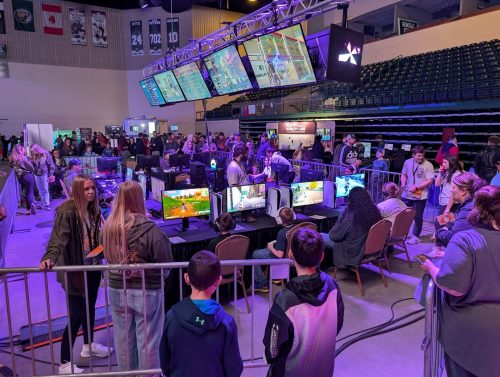 Our 9th GigaZone Gaming Championship & TechXpo was held on April 12, 2025, at the Sanford Center in Bemidji with thousands in attendance once again. Duncan Wardle the former Head of Innovation and Creativity at Disney was our special guest.
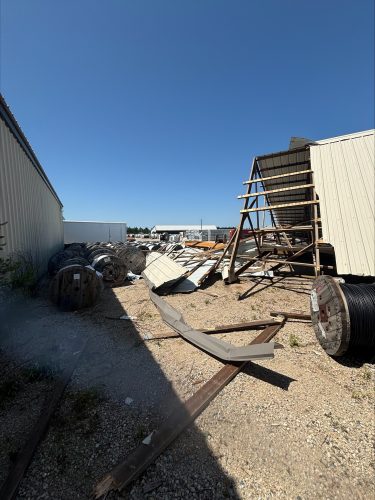 On June 21, 2025 the Bemidji area was hit but one of the most severe storms in its history. The Derecho has sustained winds over 105 mph for 20 minutes across a wide swath of the Bemidji area causing unprecedented damage including the loss of an estimated 9 million trees. The cooperative’s headquarters was hit like so many others, losing several trees and an outbuilding. The cooperative services, however, were online throughout thanks to our all-fiber optic network being buried underground. If a member had power, our services were working for them. To help with the recovery effort the cooperative contributed to the Bemidji Chamber Gift Card program created in the aftermath of the storm and to Project Canopy, an initiative to help plant new trees.
It was another very busy year of expansion, with 7 different projects in parts of St Louis County and Itasca County. In all, the cooperative expansion passed over 3,000 homes and businesses giving them the opportunity to connect to the only all-fiber optic network in the region.
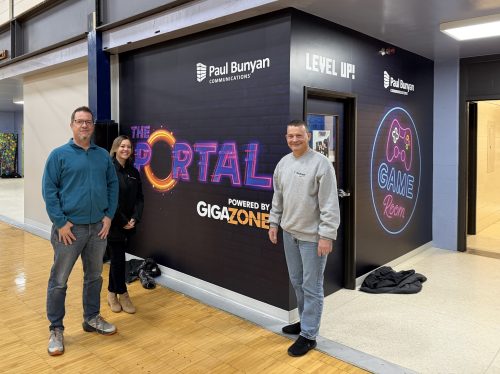
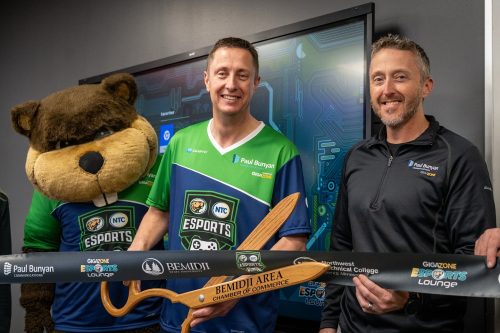 One of the many advantages of our world-class all-fiber optic network is its low latency and high speeds, perfect for online gaming. Paul Bunyan Communications is leading the way locally and nationally in providing Esports opportunities to its members and in 2025 helped bring esports to Bemidji State University and four local high schools, Laporte, Red Lake, Park Rapids, and Voyageurs Expeditionary School. The GigaZone Gaming Esports Lounge was opened in October on the BSU campus and the new gaming room, the Portal, was opened in November at the Bemidji Boys & Girls Club. Esports, or competitive video gaming, offers numerous educational, social, and career benefits for students.
Paul Bunyan Communications continued its commitment to expanding access to world-class communication services throughout northern Minnesota in 2026. The cooperative undertook major GigaZone all-fiber optic network expansion projects in Aitkin, Hubbard, Itasca, and St. Louis Counties, bringing high-speed Internet & WiFi to thousands of additional homes and businesses. One of the largest projects was in central Aitkin County, expanding service to more than 2,400 locations in and around McGregor, Palisade, and Tamarack. In September, the cooperative announced it would also be expanding into the city of Hibbing with construction started soon thereafter..
Paul Bunyan Communications announced the difficult decision to discontinue Paul Bunyan Television (PBTV) service effective September 27, 2027, after more than 25 years of providing television entertainment to the region. The decision reflected significant changes in the television industry, including the growth of streaming services and continually rising programming costs.
As 2026 comes to a close, Paul Bunyan Communications is preparing to celebrate its 75th anniversary in 2027, continuing the mission established in 1952 of connecting the people and communities of northern Minnesota through innovative, reliable communication services.